
Parenting & Routines
Creating a Positive Morning Routine for Your Preschooler
Mornings with preschoolers can feel like a whirlwind. A calm, consistent routine isn’t just good for your sanity; it supports emotional regulation and helps your child’s brain develop foundational focus.
Why Morning Routines Matter
Young children thrive on predictability. Before implementing changes, it is helpful to understand the biological and developmental benefits of a structured start:
- Stress Regulation: A chaotic start can exacerbate the natural morning spike in cortisol, leading to meltdowns. Structure helps mitigate this stress.
- Executive Functioning: Tasks like brushing teeth or packing bags engage the prefrontal cortex, building lifelong skills in planning and impulse control.
- Reduced Friction: When children know what to expect, they feel more cooperative. Research suggests visual routines can reduce non-cooperation by up to 40%.
Step-by-Step Guide to Success
1. The Night Before
Preparation is the most effective way to avoid morning decision fatigue. Set up a "ready-to-go" station and involve your child in choosing clothes or packing bags to foster a sense of pride.
2. The Power of Early Wake-Ups
Arising slightly before your children provides a buffer of quiet time. Facing the morning in a calm state of mind allows you to lead with positivity, which is often infectious for the rest of the household.
3. Prioritize Connection Over Commands
A loving wake-up sets the tone. Instead of starting with immediate directives, spend two minutes snuggling or using playful language. Low blood sugar and high cortisol levels in the morning respond best to gentle connection.
4. Implement Visual Schedules
Preschoolers cannot yet grasp abstract time. Use simple visual charts with photos of tasks, brushing teeth, getting dressed, eating breakfast, to empower them to move through the morning independently.
5. Fuel for Focus
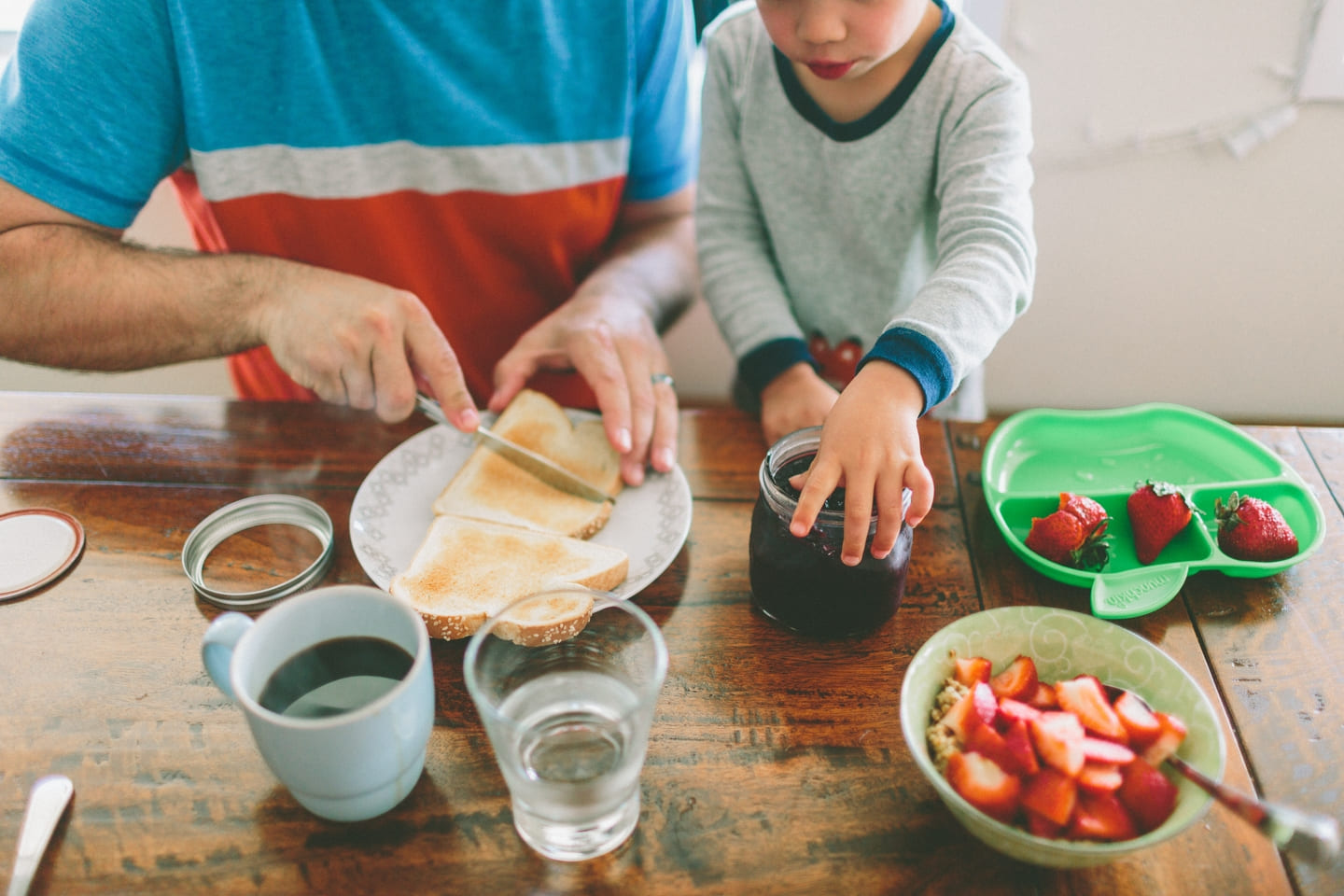
A nourishing breakfast with protein and fiber supports mood stability. Consider options like eggs and toast, Greek yogurt, or porridge. Avoid high-sugar options that lead to energy crashes by mid-morning.
The "Three-Minute" Rule
Just three minutes of undivided attention, reading a short book or playing a quick game, can transform a child's cooperation levels. Connection is the most powerful tool for a smooth transition out of the house.
The Final Transition
The final few minutes determine the energy for the rest of the day. rushing activates a stress response in the brain, so it is vital to keep distractions like tablets and television at bay. Add a five-minute cushion to your usual leave time to allow room for the unexpected.


What to Do When Things Go Wrong (Because They Will)
Even the best-laid plans sometimes unravel. That’s okay, here’s how to respond when things go sideways:
If your child is melting down:
- Take a deep breath - your calm helps their calm.
- Acknowledge their feelings: “You’re sad because the toast is a little burnt. That’s hard.”
- Offer a win: “Would you like to pack something different for snack time?”
If you’re running late:
- Drop non-essentials (hair brushing can wait).
- Keep connection first - “We’re having a tough morning, but we’ll try again tomorrow.”
Remember to offer small praises along the way as well, such as “Well done for tying your own shoelaces” or “I am so proud with how quickly you got dressed today!”.
Final Thoughts: Small Changes Can Make a Big Impact
Creating a smoother, more positive morning routine for your preschooler doesn’t require an overhaul, just one small change can start the shift. Prepping things the night before, adding a schedule or taking two minutes to snuggle before breakfast, these moments add up. You’re not just getting out the door, you’re building skills that will help your child thrive in and out of school, while still building a connection with them.
References:
- Astill, R. G., Van der Heijden, K. B., Van IJzendoorn, M. H., & Van Someren, E. J. W. (2012). Sleep, cognition, and behavioral problems in school-age children: A century of research meta-analyzed. Psychological Bulletin, 138(6), 1109-1138.Center on the Developing Child, Harvard University. Executive Function & Self-Regulation.
- Center on the Developing Child at Harvard University. (2011). Building the Brain’s “Air Traffic Control” System: How Early Experiences Shape the Development of Executive Function.
- Ferretti, L. K., & Bub, K. L. (2016). Family routines and school readiness during the transition to kindergarten. Early Education and Development, 28(1), 1-19.
- Mindell, J. A., & Williamson, A. A. (2018). Benefits of a bedtime routine in young children: Sleep, development, and beyond. Sleep Medicine Reviews, 38, 69-80.
- Rampersaud, G. C., et al. (2005). Breakfast and cognitive performance. Pediatrics.